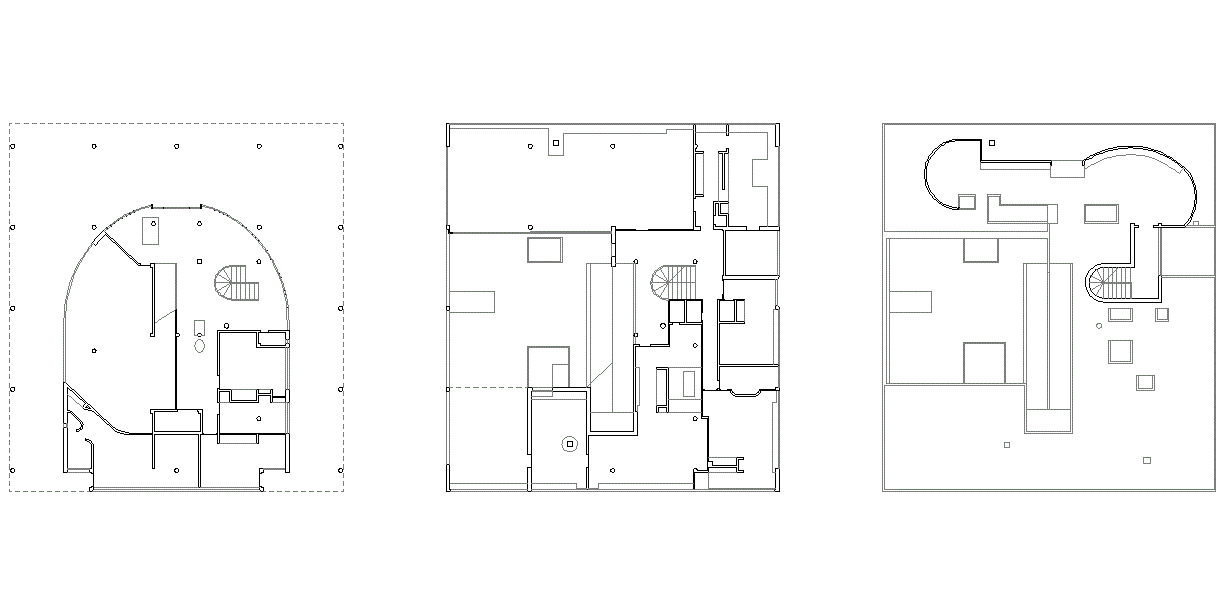
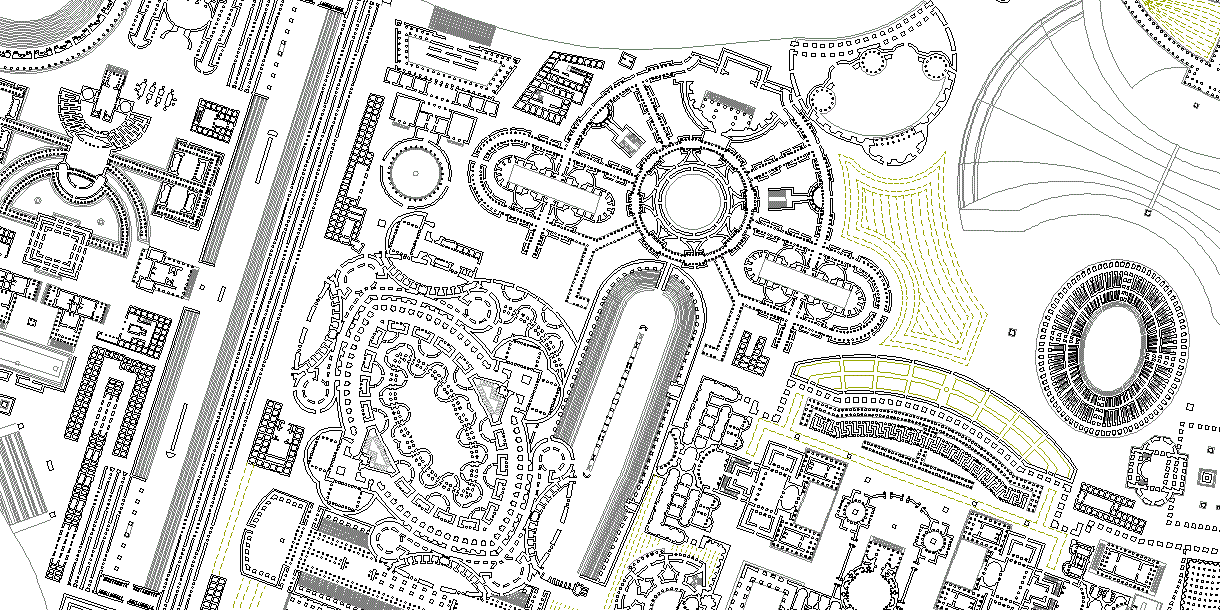
040628a Villa Savoye plans complete 2156i10
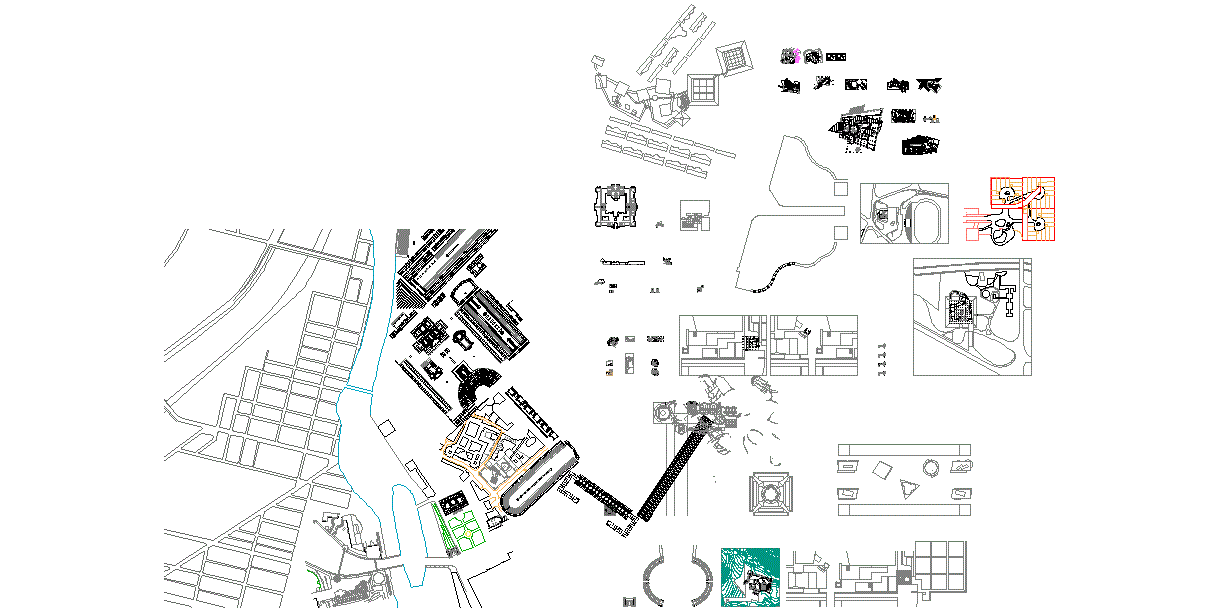
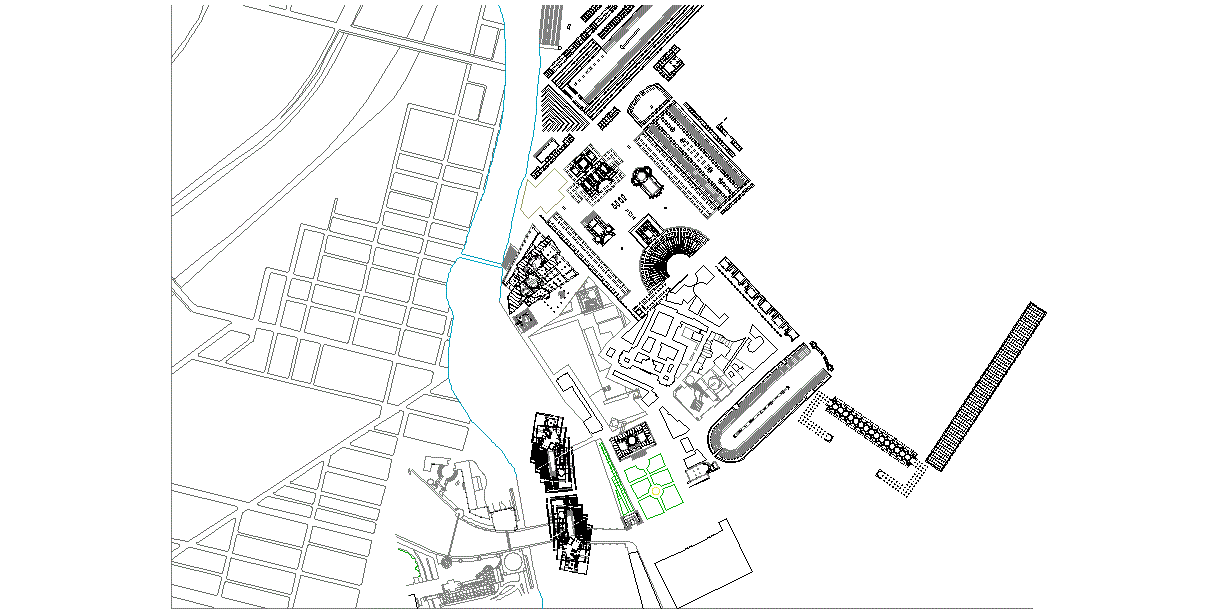
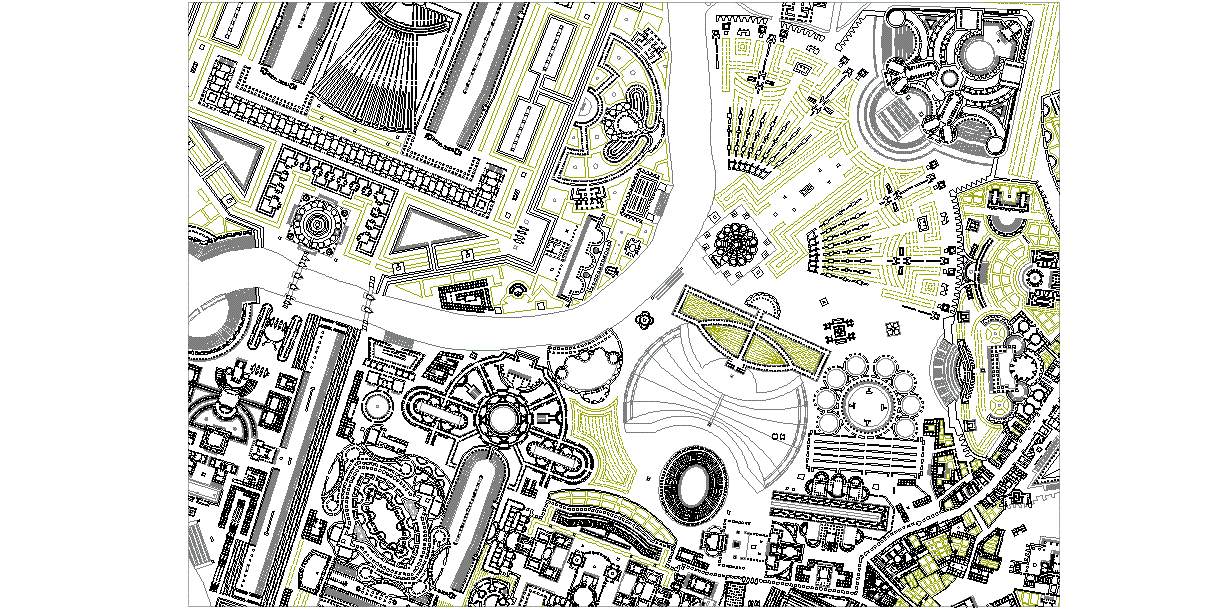
07062801 collection of Quondam plans 2177i06
2205i03
07062802 Ichnographia Quondam beginninng 2177i07
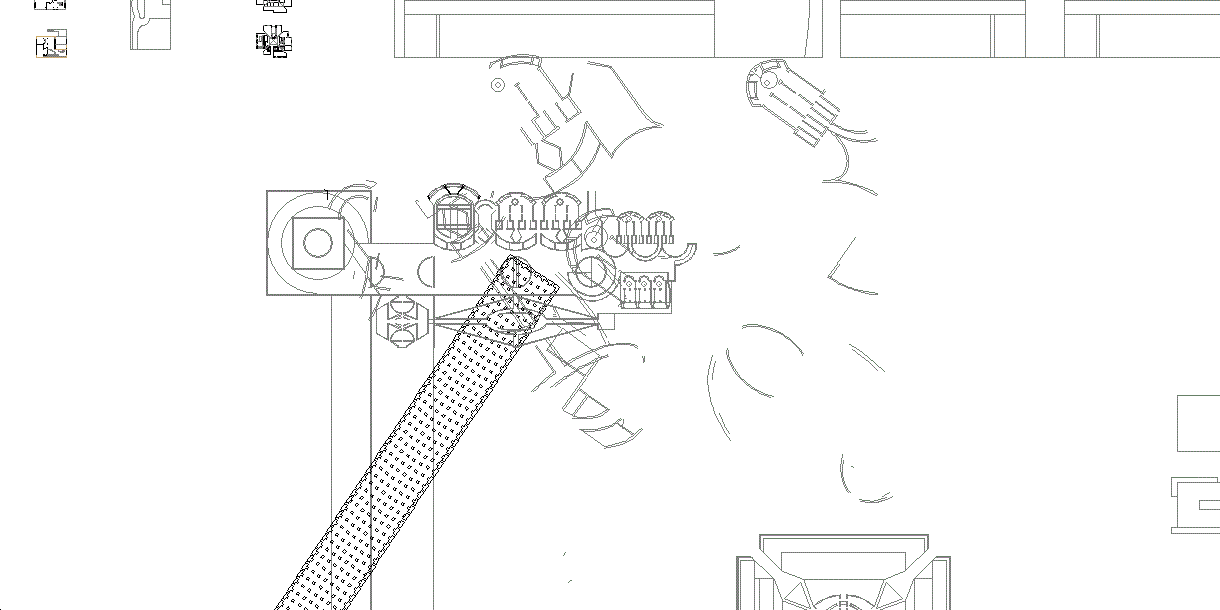
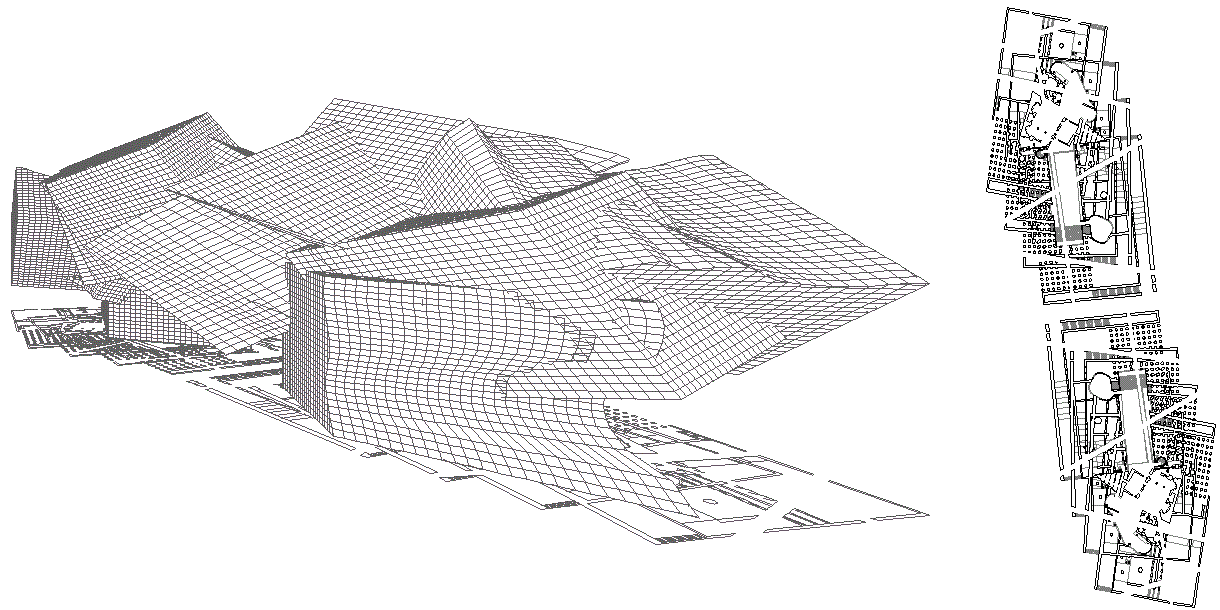
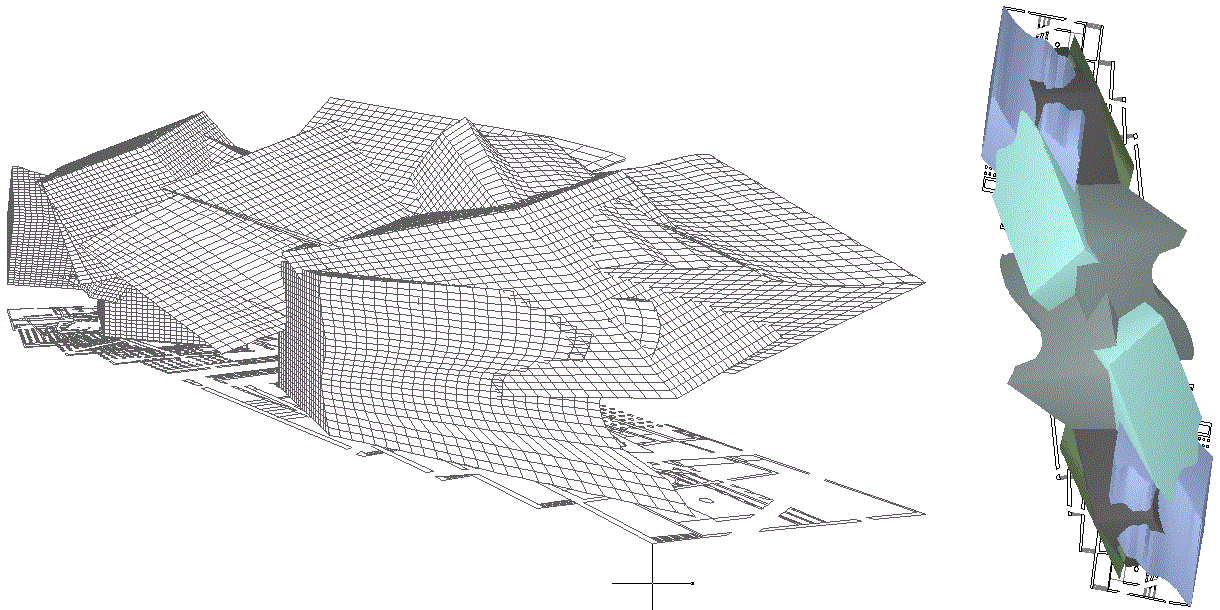
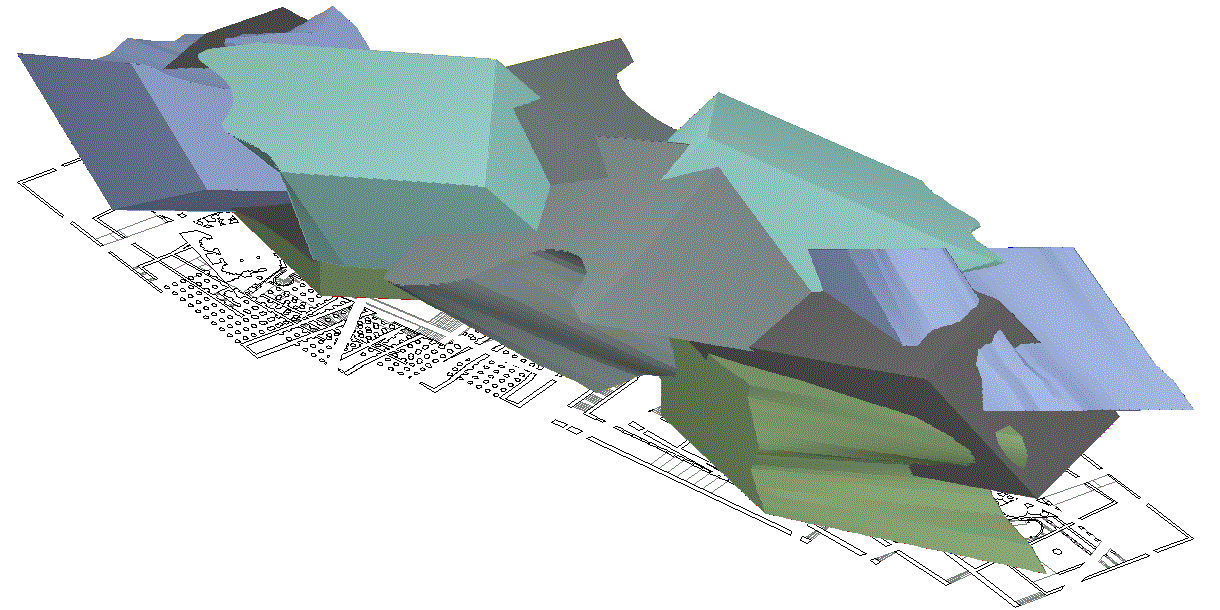
07062803 Working Title Museum 005 2379i01 b c
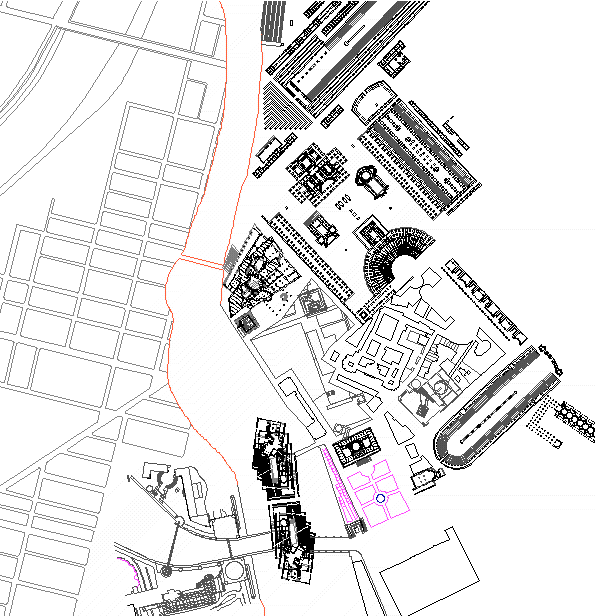
07062802
| |
2008.06.28 09:21
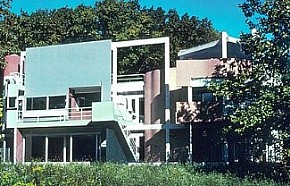
the miller house (should be more famous)
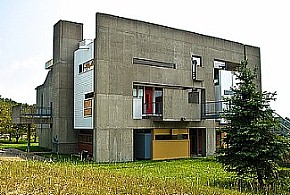 Looks like late Le Corbusier style as Composite Order--Villa Shodham meets Heidi Weber Pavilion meets Chandigarh tapestries.
What was the year of construction?
Evokes some memories of Graves' Snyderman House.
| |
2009.06.28 11:03
what is the difference between paradise & utopia?
The entire January 1972 issue of Du magazine (Swiss) is devoted to "Utopia: Visionärer Städtebau gestern und heute" (Utopia: Visionary Urban Design yesterday and today). Unfortunately, all the text is in German with not even an English summery.
Off hand, the only specific architect[ural] rendition of Paradise I can think of is Terragni's Paradiso (room) within the Danteum.
There are, however, many oasis reenactments (i.e., paradise) within architectural design. Learning from Las Vegas notes the 'oasis' aspect of the outdoor pool areas of the various hotels, and even Dubai (and it's artificial islands) and Abu Dhabi may be considered reenactments of the oasis/paradise paradigm rather than following an utopian model.
Paradise as the ultimate in real estate?
2009.06.28 12:00
what is the difference between paradise & utopia?
Perhaps also related is Robert Geddes's "The Forest Edge" in A.D. 52 11/12-1982. The opening paragraphs:
"In 1753, Marc Antoine Laugier, the French theorist, proposed the primitive hut as the foundation of architecture in his Essai sur l'architecture. The frontispiece of his second edition shows the muse indicating architecture's true source and origin by pointing to a hut at the edge of the forest made of four trees acting as columns.
I suggest an additional interpretation of Laugier's engraving. I believe the muse is directing our attention not only to the building as the reconstructed forest [or the forest reenacted], but also to the edge of the forest itself. She is pointing out the ideal habitat of man, the forest edge, where the woodlands and grasslands meet."
and later...
"While the current focus of ecological and conservationist movements has given new life to Thoreau's view of wilderness, these political movements do not propose that man should live in the wild. The hold that man is a visitor and should leave no trace of his passing."
Without having now (re-)read all of "The Forest Edge", I nonetheless get the sense that the text may evoke ideas that are both paradisic and utopian, ending with examples of practical design applications.
Is the current "green" movement in some ways an advanced combination of the paradise and utopian paradigms?
2009.06.28 16:43
what is the difference between paradise & utopia?
I'd say both paradise and utopia are man-made [intellectual] constructs, but paradise is metaphoric and utopia is paradigmatic.
| |
14062801 Ury Farm plan dtm model Ridgeway plan in register Latrobe watercolor attached 2090i09
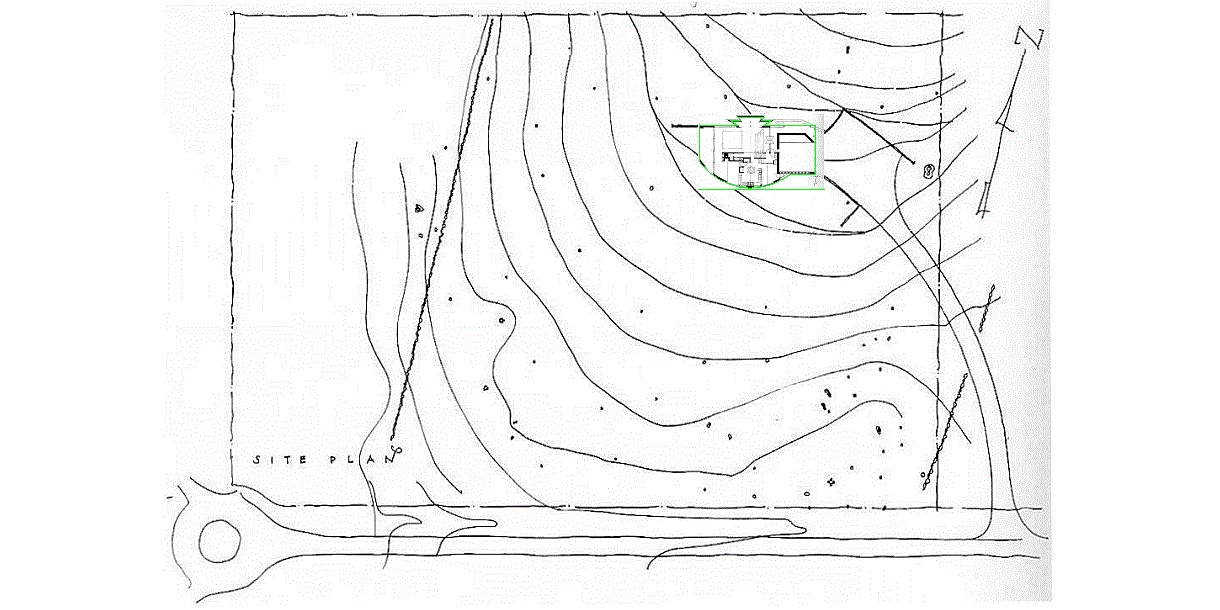
16062801 Brant House plan site plan images attached 221ai03
16062802 Brant House Addition plan elevations images attached 223bi01
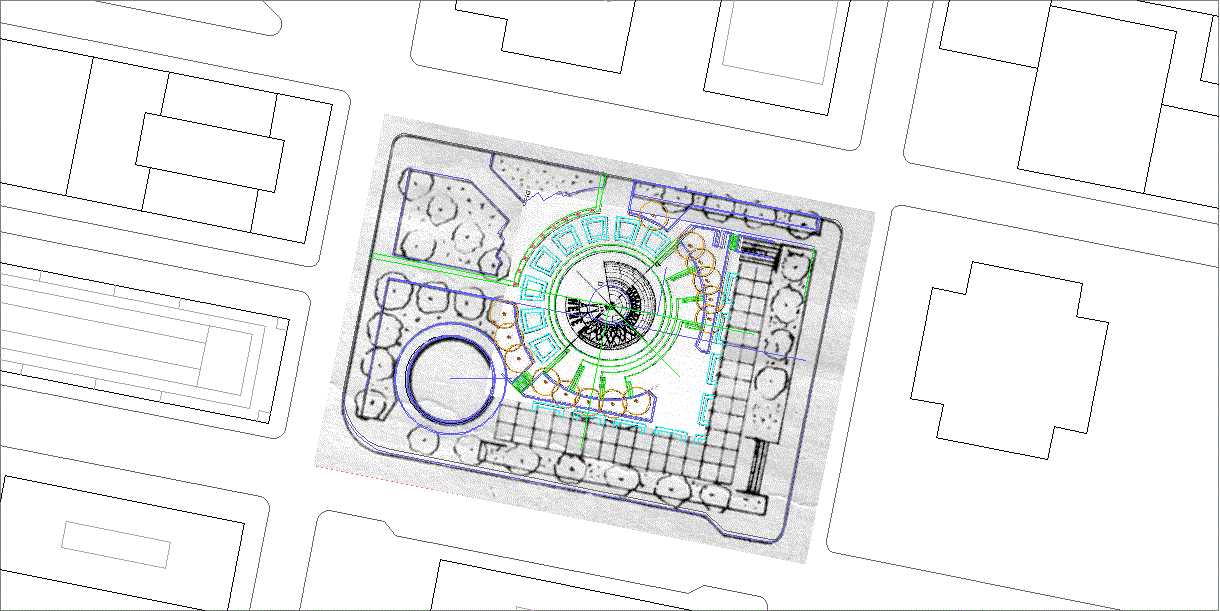
16062803 Kennedy Plaza 1100x550 plan image attached 2093i56
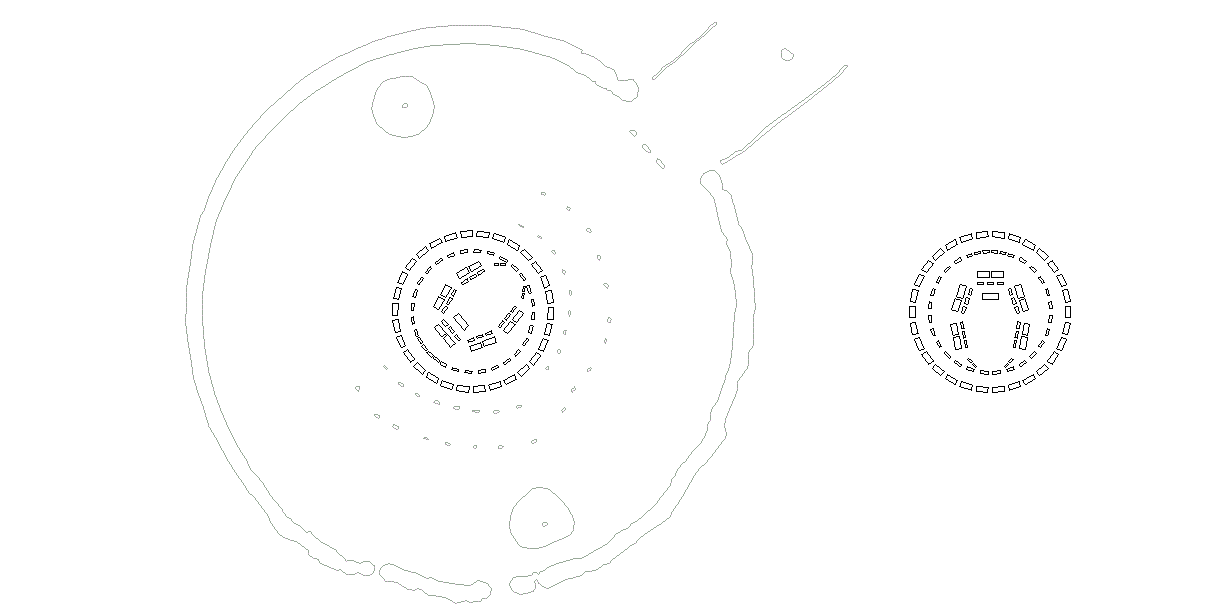
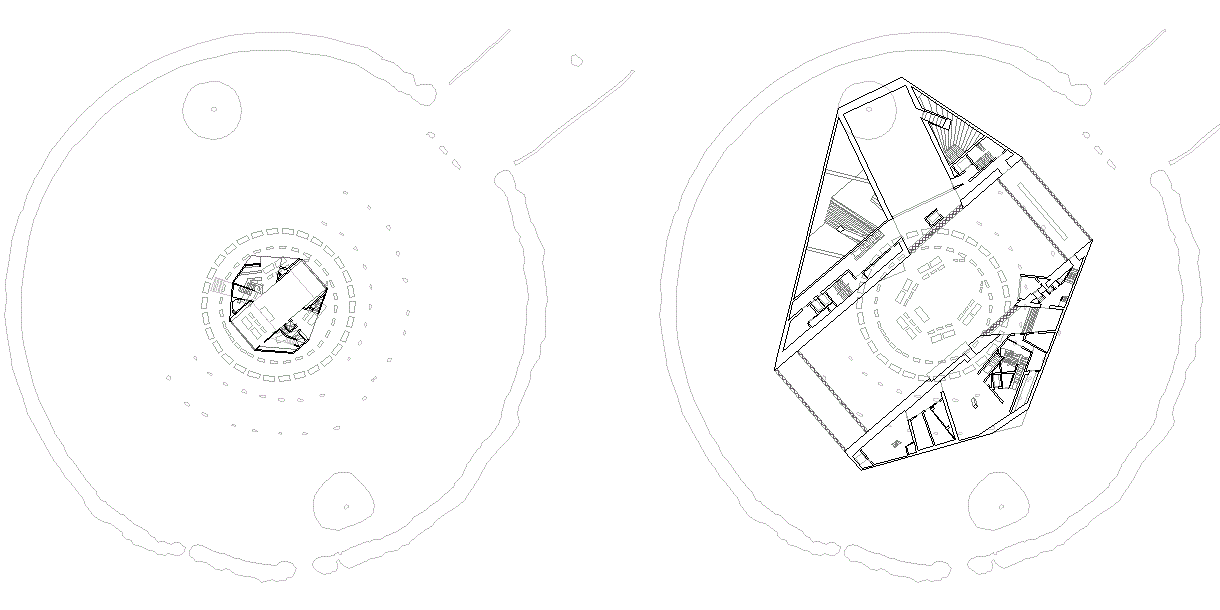
18062801 Stonehenge site plan plan 2061i02
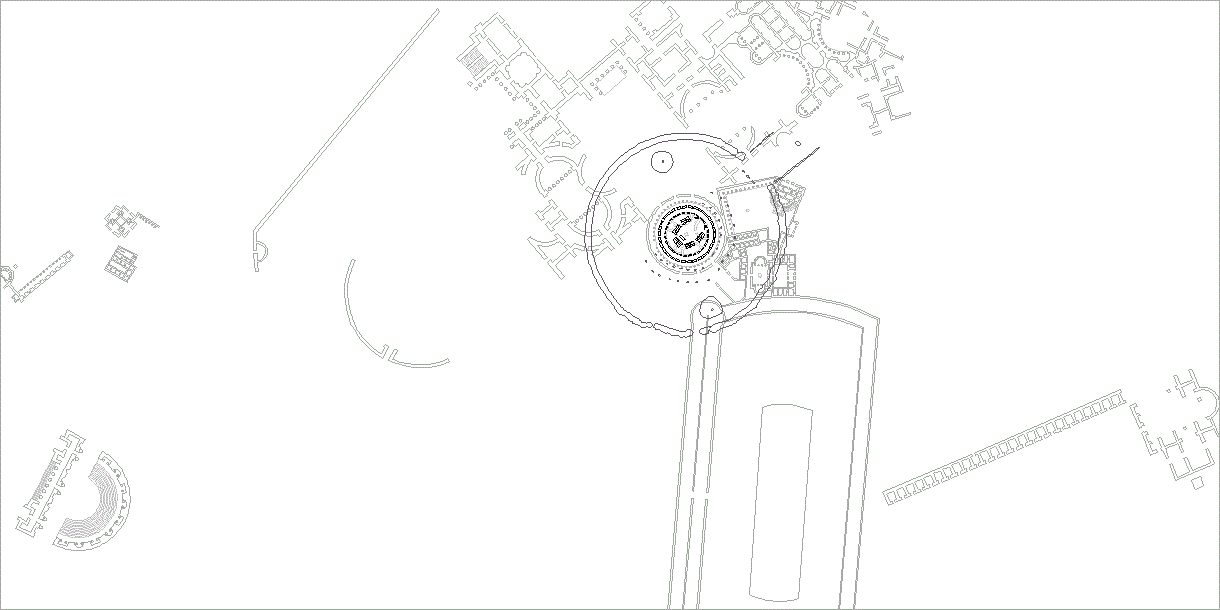
18062802 Stonehenge Hadrian's Villa site plans 2200x1100 2061i03
18062803 Stonehenge Pantheon site plans 2061i04
18062804 Stonehenge Y2K House Casa da Musica site plan plans 2061i05
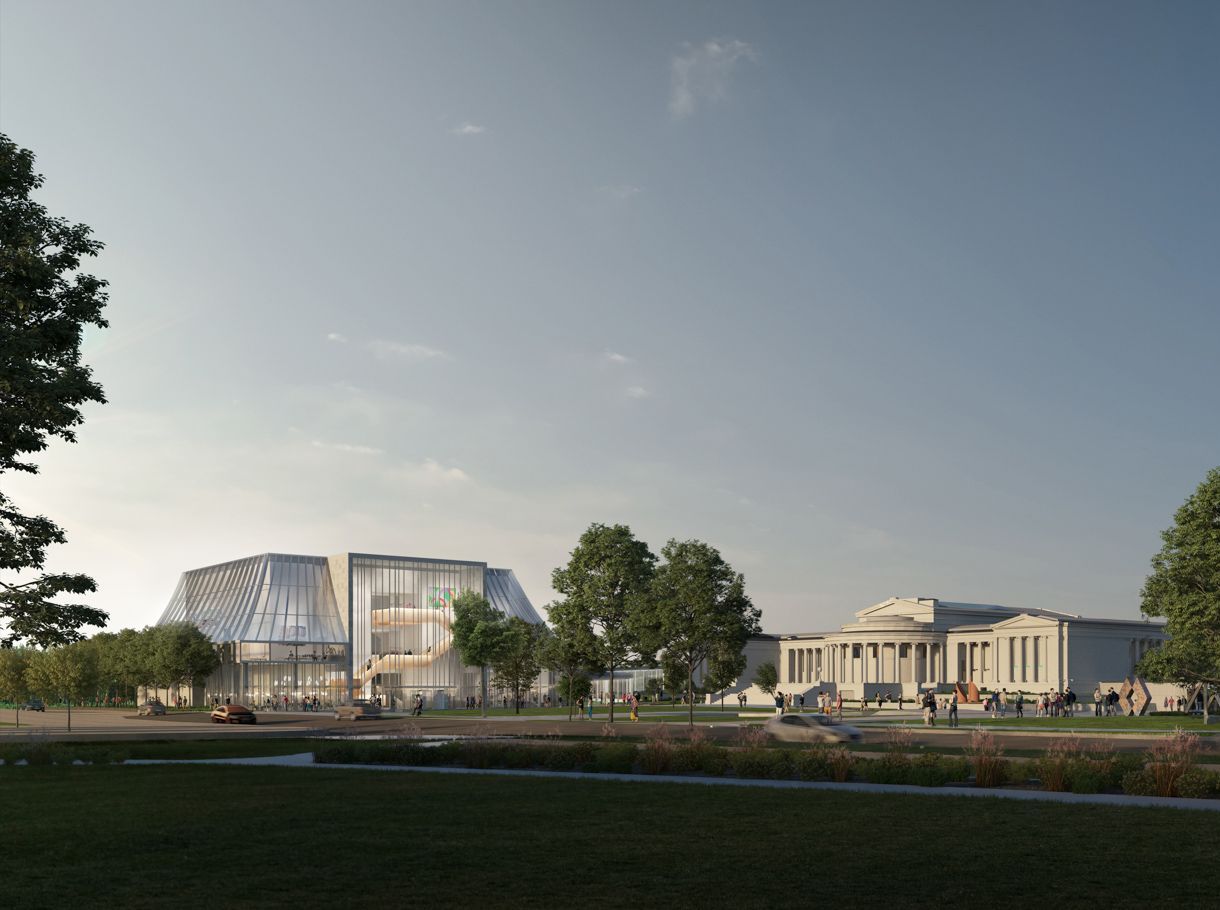
18062801 OMA Albright-Knox-Gundlach Art Museum Buffalo
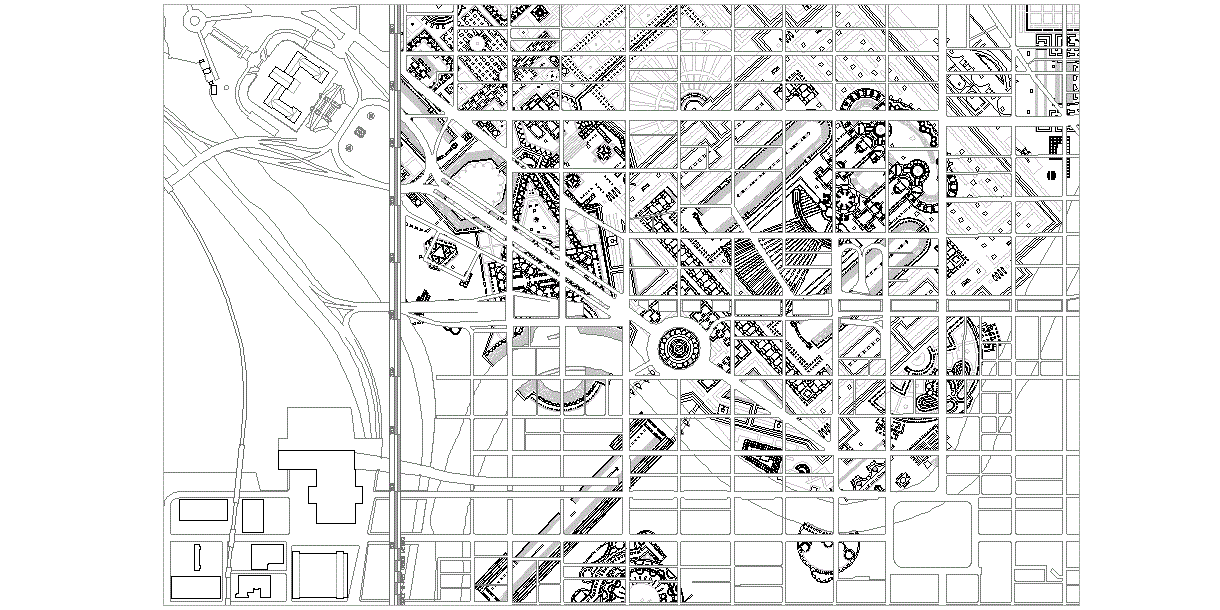
20062801 Benj. Franklin Parkway with ICM plans from 98052901 2093i118
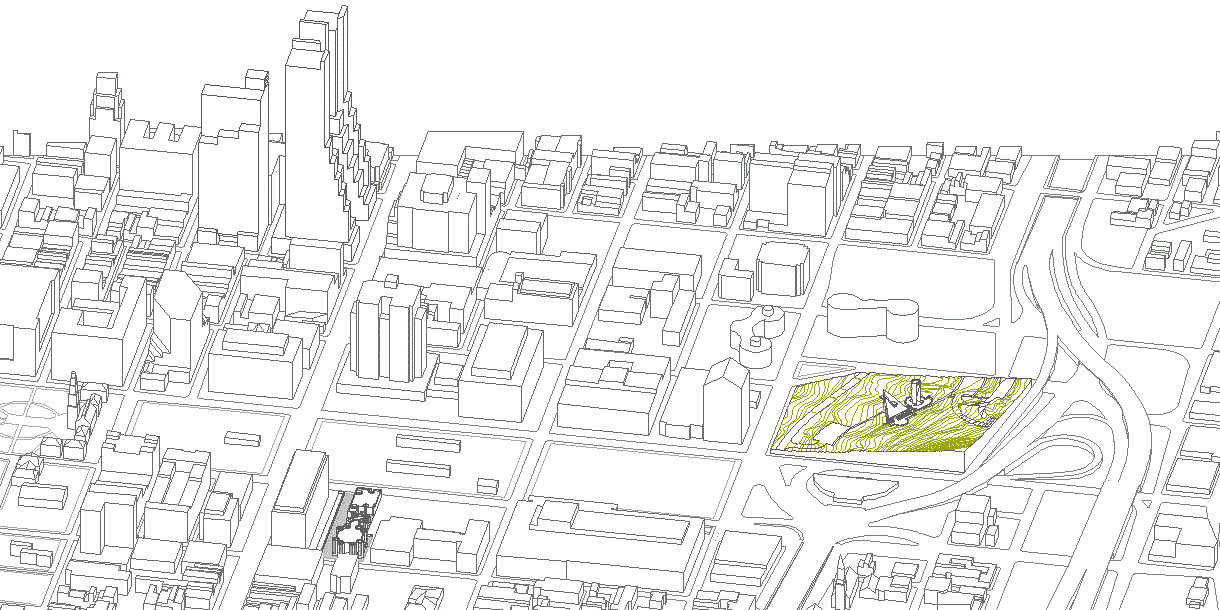
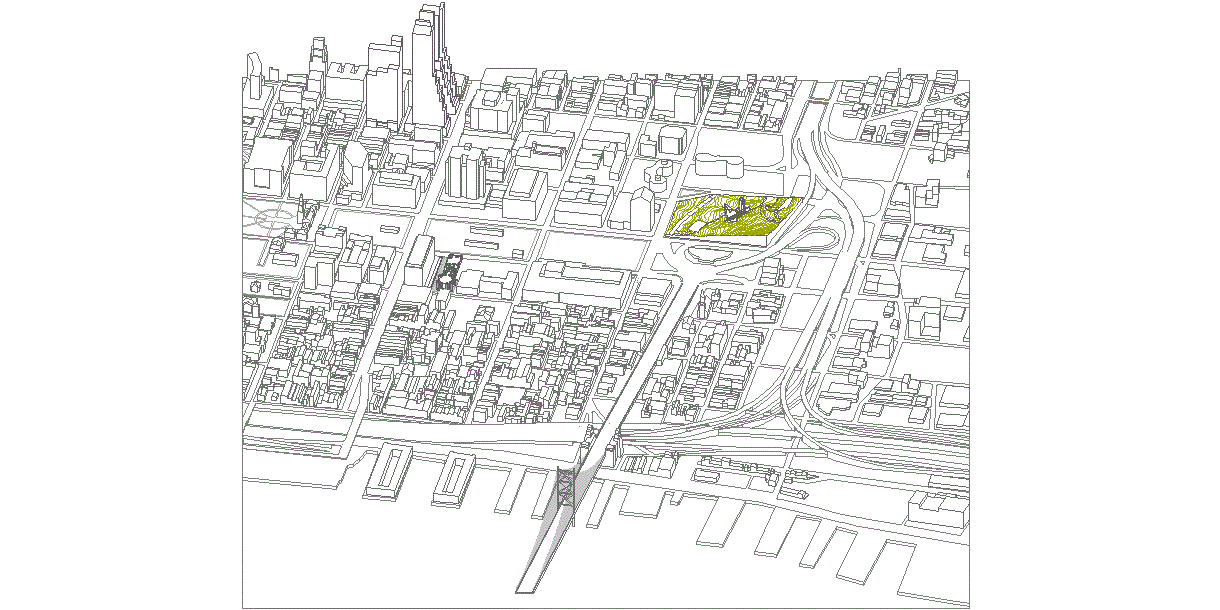
21062801 iiq06 Philadelphia Mikveh Israel Synagogue Gimbel Square Franklin Square Redux axonometric -60,0,270 2093i125 b
21062802 mirror-copy is001 plans working data 2499i01 b c
|